Search is changing—fast. With AI-generated answers, zero-click searches, and personal assistants replacing traditional search engines, will we even need websites in 2030? Or are we witnessing the slow death of organic traffic as we know it?
The Death of the Click: How Google is Hoarding Traffic
I’ve been working in SEO since the early 2000s. Back then, ranking was simple—find the right keywords, build the right links, and watch your traffic grow. If you played by the rules (or sometimes bent them just a little), you could outrank big brands with a well-structured website and some strategic link-building. Now? Google doesn’t just want to rank pages; it wants to keep users on its own platform for as long as possible.
In recent years, I’ve watched Google transform from a gateway to the internet into something more like a walled garden. Featured snippets now dominate search results, serving users the answers directly without them ever needing to click through. AI-generated responses have replaced organic results, summarizing content without giving credit to the original sources. And perhaps most concerning, zero-click searches have become the norm, meaning that a growing percentage of searches never lead to an actual website visit at all.
For businesses that rely on search traffic, it’s like watching your customer base disappear overnight. I’ve seen search landscapes shift dramatically before, but this time, it feels like something bigger. Google isn’t just changing rankings; it’s rewriting the rules of engagement.
AI Assistants: The New Gatekeepers of Search
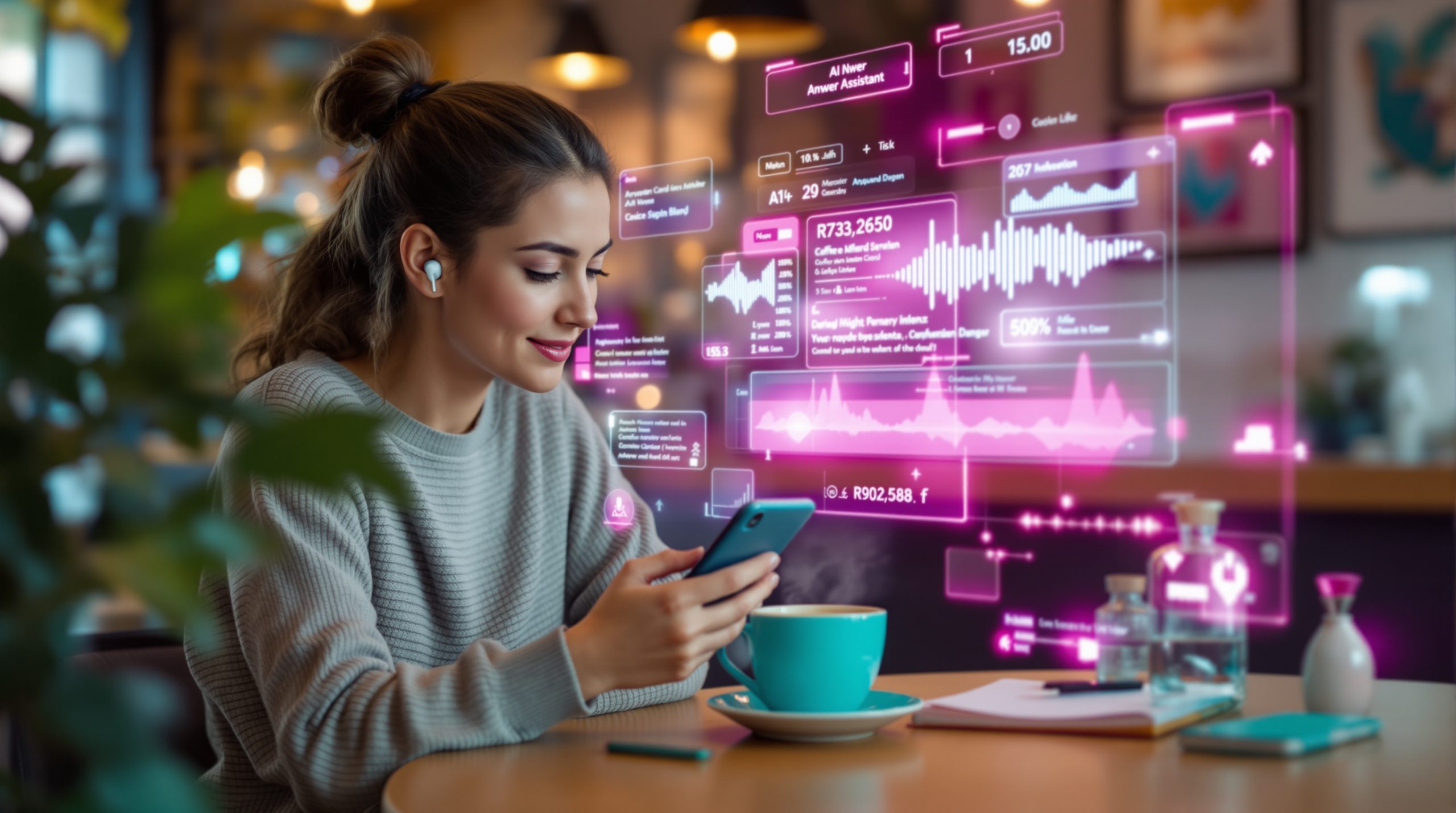
When I first started in SEO, people typed their queries into Google, scanned a list of results, and clicked on a website that looked promising. Now? Search is conversational. Personal AI assistants like Google Assistant, Siri, and Alexa have replaced the need to browse multiple sites. Instead, we just ask, and they answer.
If you ask “Hey Google, what’s the best running shoe?”, it no longer gives you a list of websites. Instead, Google scrapes the web, combines reviews, and presents one “definitive” answer—leaving businesses competing for a single spot instead of ten. The same thing happens if you ask Alexa to book a hotel or Siri for the latest news—you’re no longer navigating search results, you’re receiving a curated response.
For users, it’s undeniably convenient. But for website owners? It’s a nightmare. If AI assistants decide what information is worth presenting, how do businesses ensure they’re the ones being featured? If Google controls access to information, how do small businesses compete?
The Rise of the Walled Gardens: Platforms Want to Keep You Inside
I’ve watched Google evolve from a simple search engine into an empire of self-preferential results, and it’s only getting worse. The internet once felt like an open marketplace, where search engines directed people to the best sources of information. Today, platforms are doing everything they can to keep users inside their own ecosystem.
Google now surfaces its own products first—flights, hotels, shopping, AI-generated answers—pushing independent businesses further down the results. Social media has overtaken Google as the primary discovery tool for younger audiences, with TikTok and Instagram becoming search engines in their own right. Amazon has transformed into a walled marketplace, capturing users from start to finish within its own ecosystem. Even YouTube is the new blog, where users prefer watching video explanations over reading long-form content.
Websites used to be the core of the internet. Now? They’re just another source of information for AI models and algorithms to extract data from. And while I remember when SEO was all about directories, reciprocal links, and link farms, this is an entirely new level of competition.
Will Websites Still Matter? (The Case for Survival)
Despite everything, I don’t believe websites are dead. Their role is changing, but businesses that adapt can still thrive in this new landscape. The key is to understand that the old SEO playbook no longer works—it’s about trust, authority, and direct relationships.
Websites that build strong brand authority will still get visibility, as Google’s AI will favour content from trusted sources. Businesses that prioritize first-party data—email lists, direct traffic, and customer relationships—will have more control over their reach. And while AI can summarise information, it can’t replicate deep expertise, personal experiences, or original insights—things that still matter in content ranking.
SEO in 2030 isn’t just about ranking on Google anymore. It’s about appearing inside AI-generated responses, platforms, and walled gardens—ensuring that no matter where users get their information, your brand is part of the answer.
How to Prepare for SEO in 2030
The SEO strategies that worked in the past won’t cut it anymore. If you want to stay visible in 2030, you’ll need to adapt in new ways:
– Build a Brand, Not Just a Website – AI favors recognisable, trusted brands when pulling information.
– Diversify Traffic Sources – Relying on Google alone is a death sentence. Leverage social media, email marketing, and direct engagement to build resilience.
– Optimize for AI Search – Structure content in ways that make it easier for AI assistants to pull from, using structured data, clear takeaways, and authoritative language.
– Create Content That AI Can’t Replicate – Personal stories, firsthand experiences, and original insights will always stand out from algorithmic content.
– Leverage Video & Interactive Content – Users are shifting toward video-based learning and conversational search—meet them where they are.
Final Thoughts: SEO is Changing, But It’s Not Dead
I’ve seen SEO evolve through every major Google update, from Panda to Penguin, from RankBrain to AI-driven search. Each time, people predicted SEO was dead, and each time, it adapted. Yes, organic search traffic is getting harder to earn. Yes, AI assistants and zero-click searches are stealing visitors. But the web isn’t disappearing—it’s evolving.
Businesses that understand these changes and adapt will still win. The ones that keep waiting for Google to “fix” things? They’ll be left behind.
SEO in 2030 isn’t about chasing rankings—it’s about owning your visibility across multiple platforms.
The real question is: Are you ready? 🚀
